English Garden Ideas for Charleston, South Carolina

Creating an English garden in Charleston, South Carolina can be a delightful endeavor for any gardening enthusiast. With thoughtful backyard landscaping and garden design, you can transform your space into a charming retreat.
Climate Considerations: Subtropical Climate in Charleston, South Carolina
When designing a garden in Charleston, it's crucial to consider the USDA Hardiness Zone 7a climate. This subtropical climate impacts plant choice and care routines, ensuring your garden thrives year-round.
Design Considerations
- Plant Selection: Choose plants that are well-suited for Zone 7a and the English garden style.
- Hardscaping: Incorporate walkways and stone paths to create structure and guide visitors through the garden.
- Garden Spaces: Designate specific areas for seating, flower beds, and water features.
- Seasonal Interest: Plant a variety of perennials and annuals to ensure year-round beauty and color.
- Sustainable Practices: Implement efficient watering systems and drought-tolerant plants to conserve water and reduce maintenance.
Reimagine your yard
Explore ideas for your own yard with Neighborbrite’s free AI landscape design tool.
Try it now

Image Gallery


Local Plant Recommendations
Choosing the right plants for your Charleston English garden involves considering the local climate and suitability for Zone 7a. Select plants that thrive in subtropical conditions and complement the garden's aesthetic.
Perennial Plant Recommendations for Charleston English Gardens in Hardiness Zone 7a

Hellebore (Helleborus)
Hellebore offers early spring blooms and is perfect for creating a lush, green backdrop in English gardens in Charleston, South Carolina.
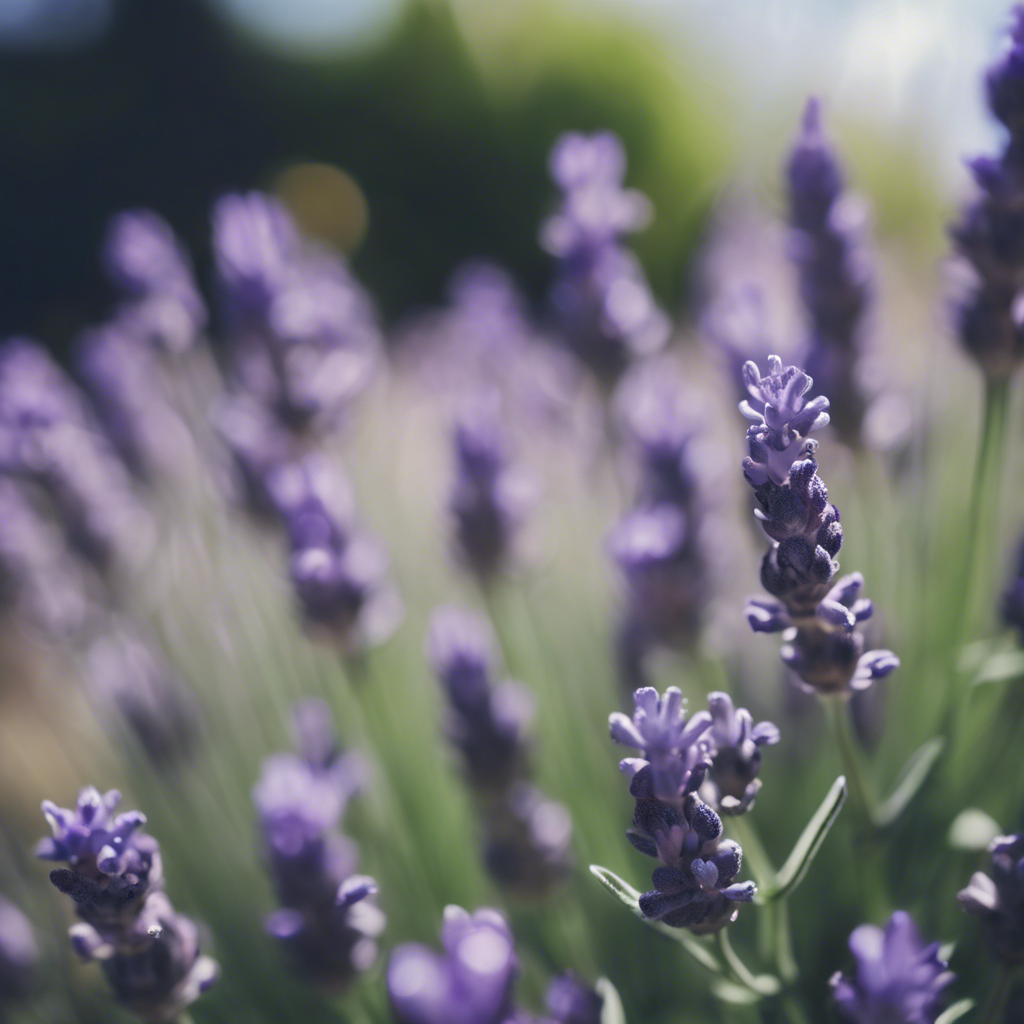
Lavender (Lavandula)
Lavender brings fragrant blooms and fits beautifully into Charleston's Zone 7a conditions, adding a touch of elegance to your garden.
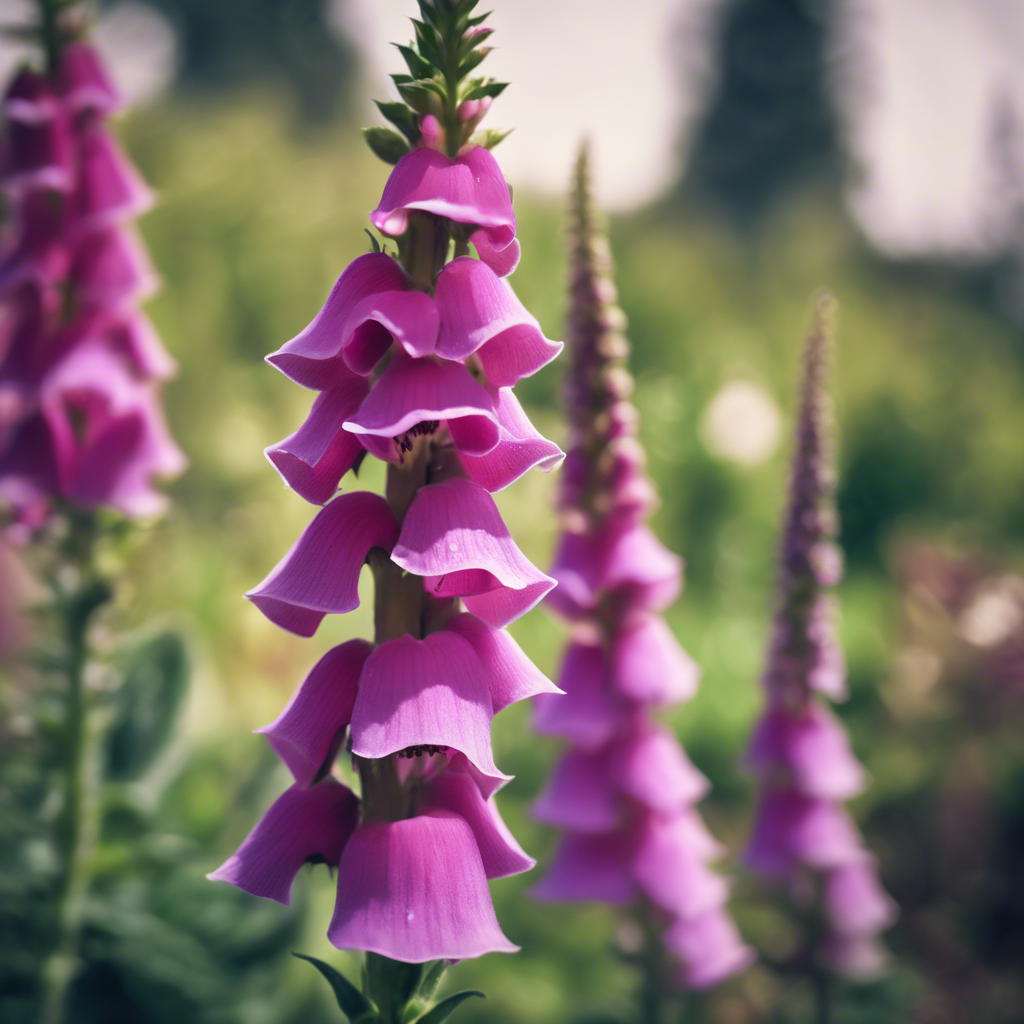
Foxglove (Digitalis)
Foxglove's tall, striking flowers add vertical interest and are well-suited to the English garden style in Charleston, South Carolina.
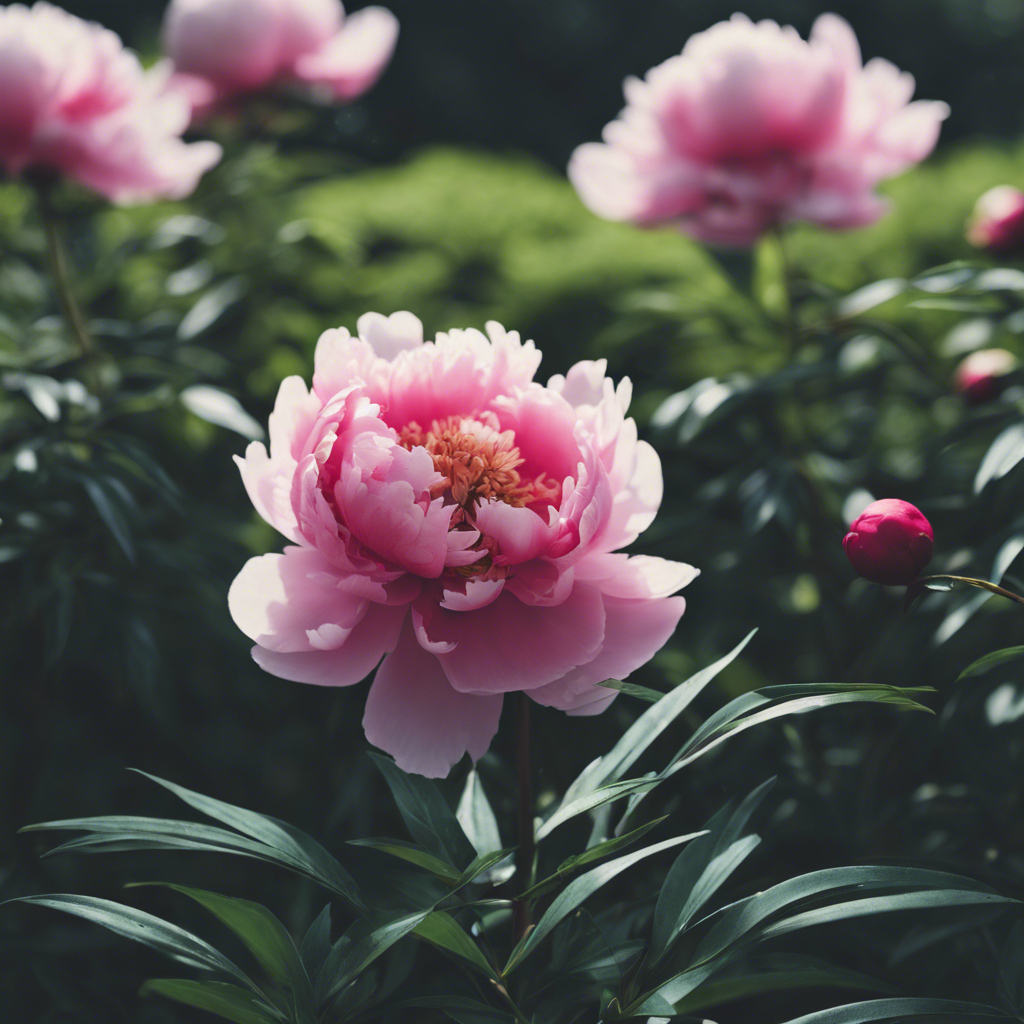
Peony (Paeonia)
Peonies offer large, beautiful blooms in spring, making them ideal for English gardens in Charleston's Zone 7a climate.
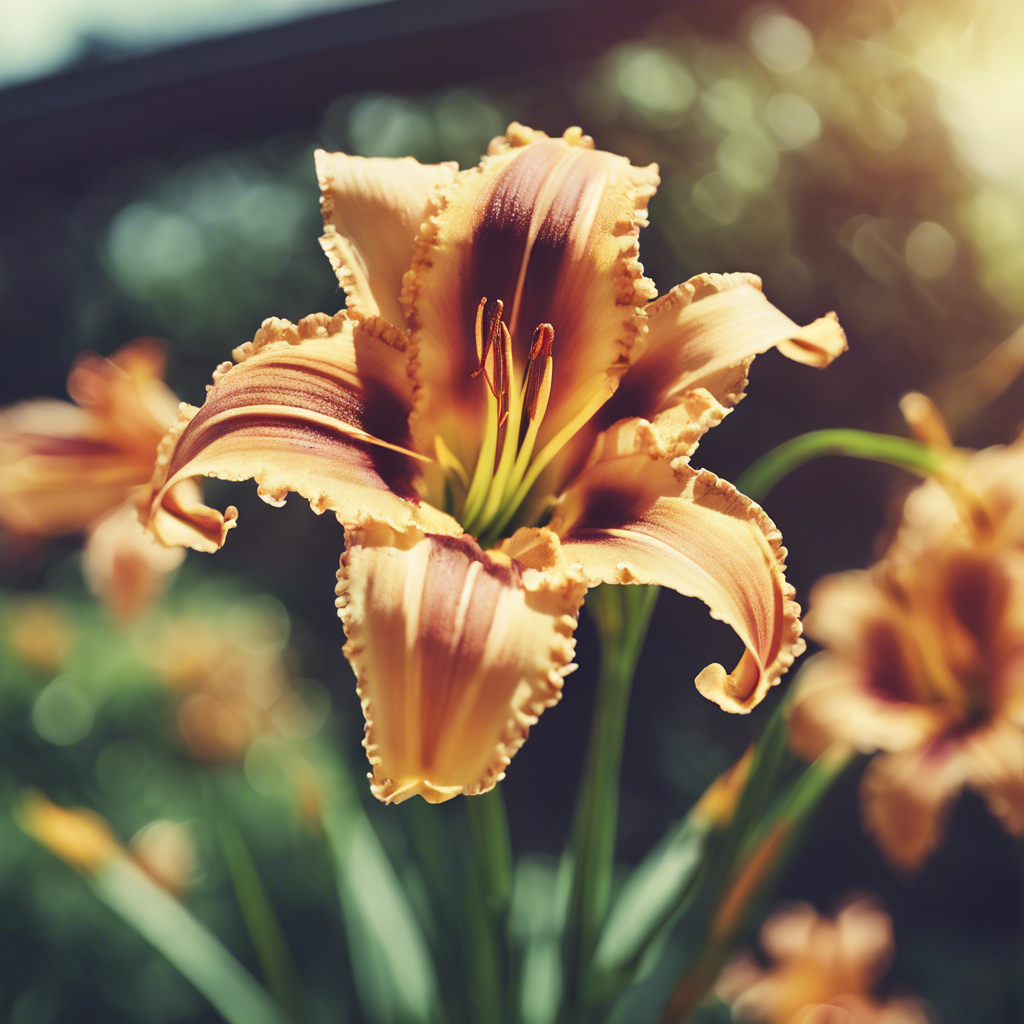
Daylily (Hemerocallis)
Daylilies are hardy and bloom prolifically, thriving in the English garden style in Charleston, South Carolina.
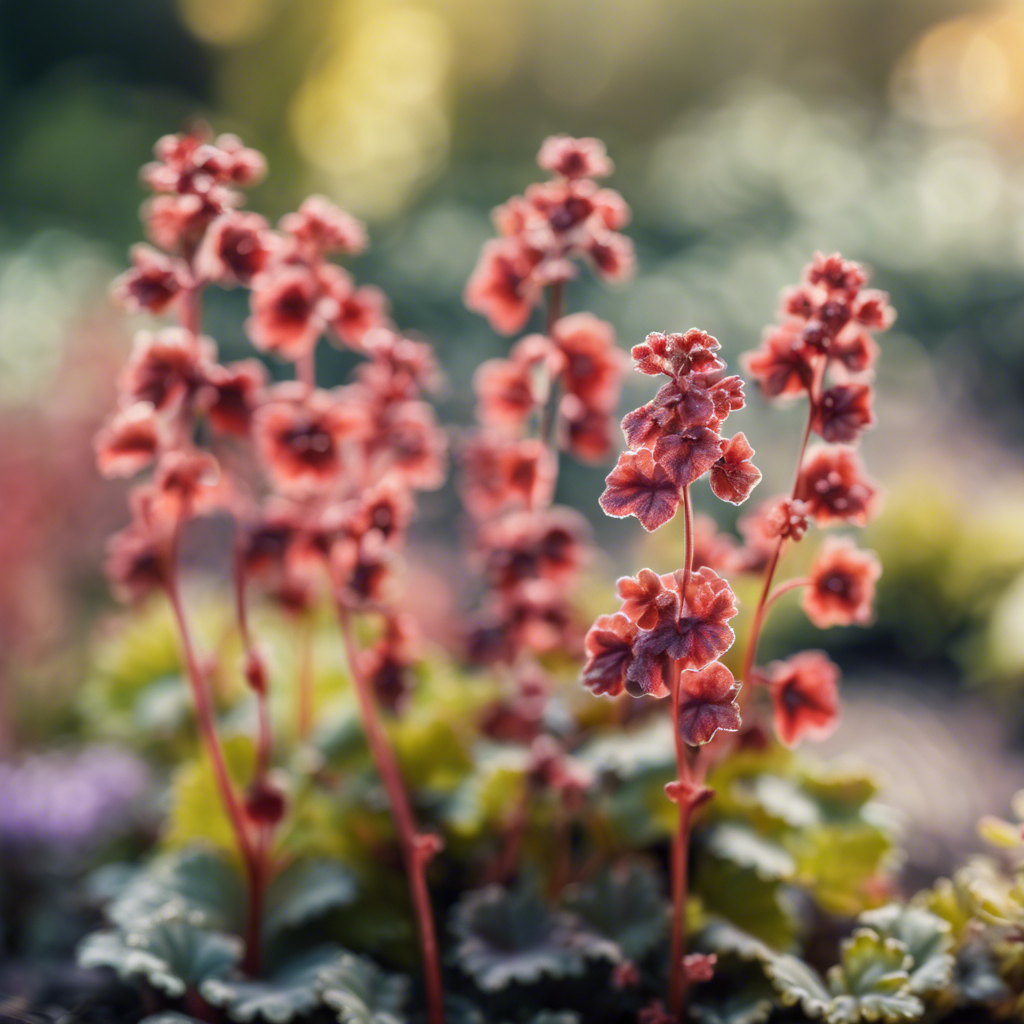
Coral Bells (Heuchera)
Coral Bells bring colorful foliage and are excellent for adding texture to English gardens in Charleston.
Ornamental Grasses Recommendations for Charleston English Gardens in Hardiness Zone 7a
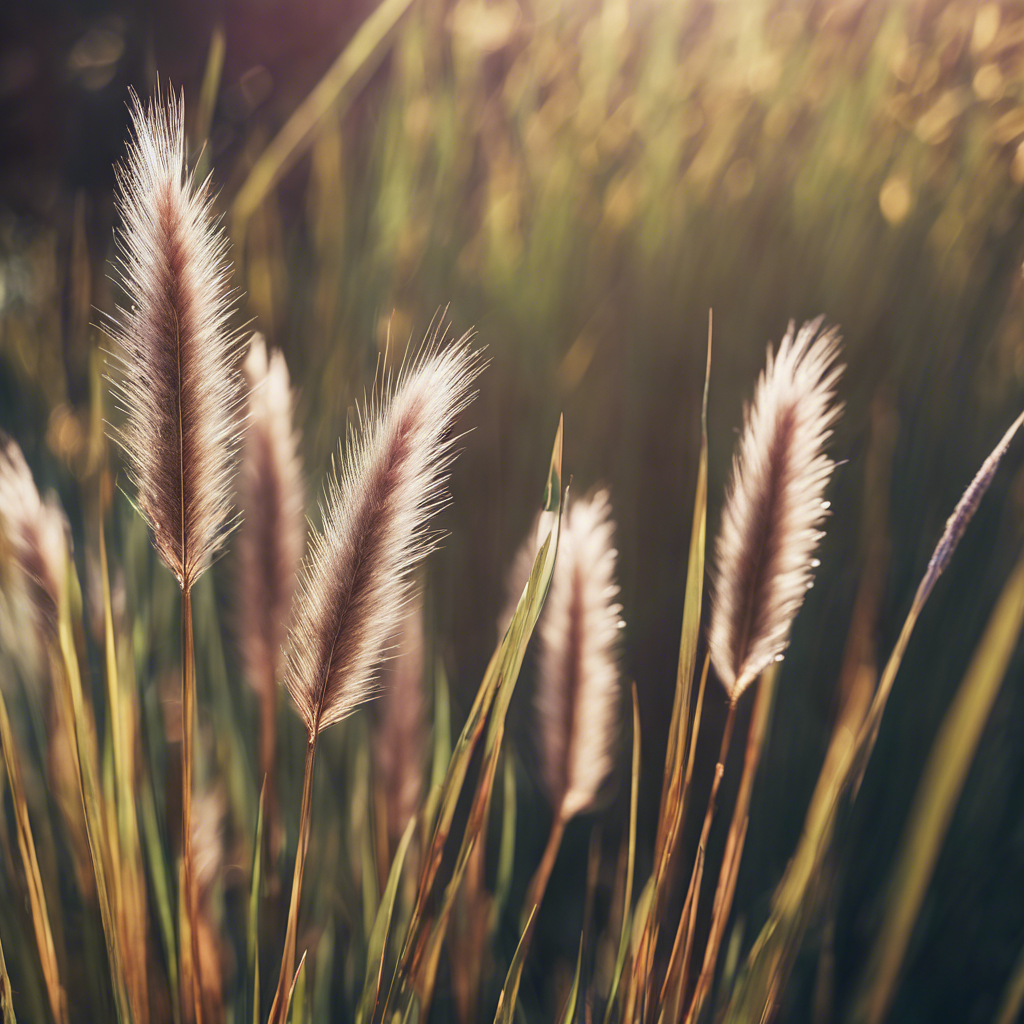
Fountain Grass (Pennisetum alopecuroides)
Fountain Grass adds movement and texture, perfect for English gardens in Charleston, South Carolina.

Blue Fescue (Festuca glauca)
Blue Fescue's fine, blue-green foliage adds visual interest and thrives in Zone 7a settings.

Muhly Grass (Muhlenbergia capillaris)
Muhly Grass offers attractive pink plumes in fall, ideal for adding a touch of whimsy to Charleston English gardens.
Tree Recommendations for Charleston English Gardens in Hardiness Zone 7a
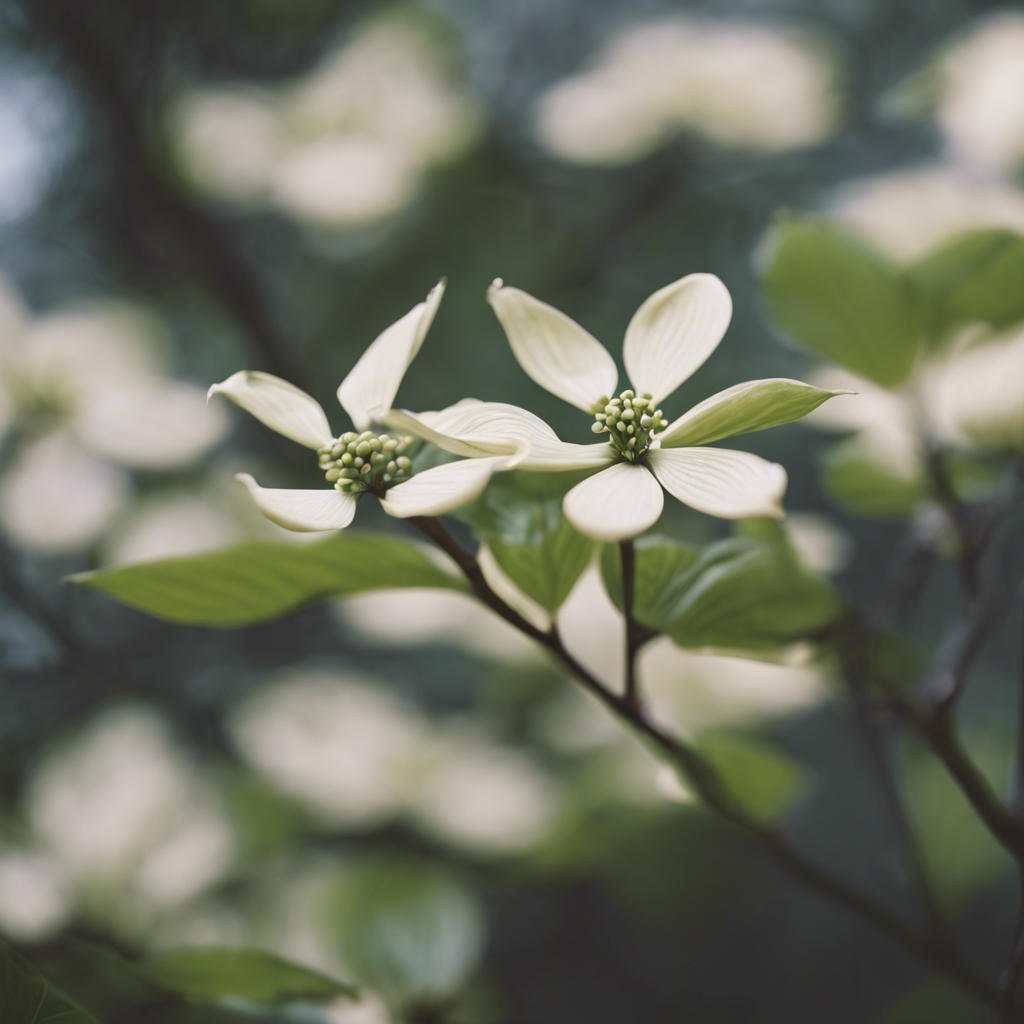
Dogwood (Cornus florida)
Dogwood's stunning spring blooms and attractive foliage make it a staple in English gardens in Charleston.

Southern Magnolia (Magnolia grandiflora)
Southern Magnolia provides year-round greenery and fragrant flowers, perfect for Charleston's English garden designs.

Crepe Myrtle (Lagerstroemia indica)
Crepe Myrtle offers vibrant summer flowers and is well-suited to the English garden aesthetic in Zone 7a.
Practical Advice
- Seasonal Care Tips: Prune perennials in late winter to prepare for spring growth.
- Efficient Watering: Implement drip irrigation systems to conserve water and reduce maintenance.
- Soil Health: Regularly amend soil with organic matter to ensure nutrient-rich, well-draining conditions for your plants.
Closing Thoughts
Designing an English garden in Charleston, South Carolina involves thoughtful consideration of local climate and plant choices. With the right mix of perennials, ornamental grasses, and trees, you can create a stunning retreat that embodies the classic elegance of English garden design while thriving in the South Carolina climate.

